Home Window Tinting: Benefits and Guide
Learn about home window tinting benefits, types, and installation tips for energy savings and comfort.
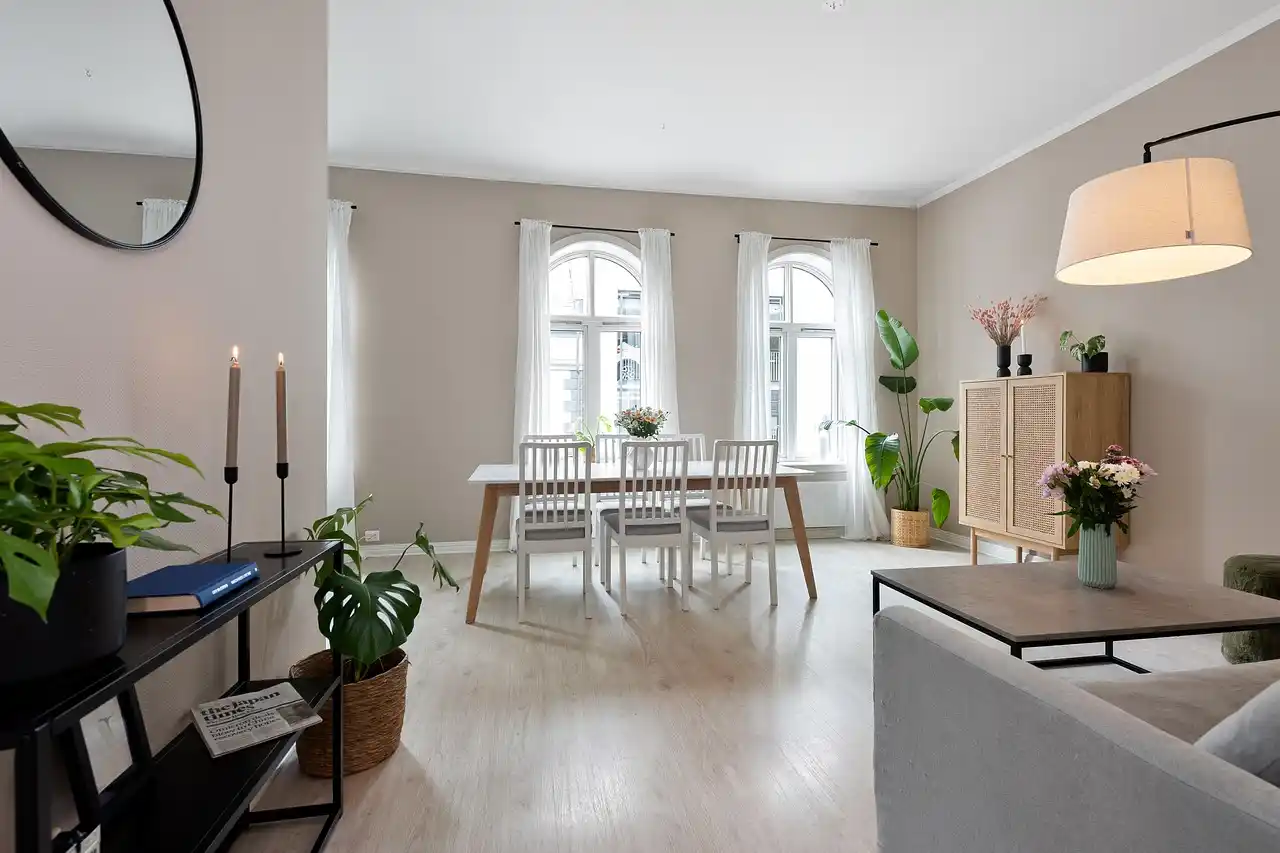
Introduction to home window tinting
Home window tinting is a practical upgrade that can enhance comfort, protect furnishings, and reduce energy bills. By selecting the right film and installation method, homeowners can regulate heat, glare, and UV exposure while preserving natural light and exterior views. This guide explains what home window tinting is, the main film types, how to choose the right option, and what to expect from installation, maintenance, and cost considerations. As an experienced SEO and content strategist, I focus on practical, trustworthy guidance to help you make an informed decision.
What is home window tinting
Home window tinting refers to applying a thin film to interior or exterior glass surfaces to filter light, reduce heat transfer, and improve privacy. Films are manufactured in various densities and compositions that block infrared light and ultraviolet rays while preserving daylight and visibility. Unlike decorative window films, tinted films emphasize energy performance and comfort, making them a common upgrade for homes in sunny or hot climates.
Benefits of home window tinting
Tinted windows offer several tangible benefits that address the needs of most homeowners. Below are the core advantages that influence buying decisions and ongoing satisfaction.
Energy efficiency and comfort
Tint films reflect a portion of solar heat, reducing cooling loads in warm months. This can lead to lower air conditioner usage and more consistent indoor temperatures. In cooler seasons, certain films retain heat while still blocking glare, contributing to overall comfort without sacrificing natural light.
UV protection and interior preservation
Most window films block up to 99 percent of ultraviolet rays, helping prevent fading of floors, furniture, and artwork. By reducing UV exposure, homeowners also reduce potential skin exposure and long term glare damage on interior surfaces.
Privacy, safety, and security
Tinted glass makes it harder for outsiders to see inside, increasing daytime privacy. Some films also add a layer of shatter resistance, holding glass fragments in place during impacts or break-ins, which can reduce the risk of injury and theft.
Tint film types
Film types vary in performance, price, and appearance. The table below summarizes common options and what to expect from each one.
| Tint Type | UV Rejection | Heat/IR Rejection | Glare | VLT Range | Durability | Typical Cost |
|---|---|---|---|---|---|---|
| Dyed | High | Moderate | Low glare | 35-65% | Moderate | Low |
| Metalized | Very high | High | Glare and reflectivity | 25-50% | Good | Low-Mid |
| Ceramic | Excellent | Excellent | Low glare | 40-70% | Excellent | High |
| Carbon | Excellent | Very good | Low glare | 35-65% | Good | Mid-High |
When selecting a film, consider the climate, orientation of windows, and whether you want more daylight or higher privacy. Ceramic and carbon films generally offer the best balance of heat rejection and daylight but come at a higher price point compared to dyed or metalized films.
Choosing the right tint for your home
To select the best option, assess several factors. Start with a climate assessment, the room’s sun exposure, and whether you need strict privacy or high visibility. Check for UV blocking claims from manufacturers and confirm that the product carries a warranty and complies with local building codes. If you have large, energy-efficient or historically sensitive windows, consider professional consultation to ensure compatibility with existing glazing and seals.
- Climate and sun exposure: hotter regions benefit from higher heat rejection.
- Privacy needs: higher VLT films provide more light but less privacy at street level.
- Maintenance: some films are easier to clean and resist scratching.
- Warranty and installation: professional installation often includes a warranty and better edge sealing.
Installation options
Home window tinting can be performed as a DIY project or by professional installers. DIY kits are affordable and suitable for small projects or temporary needs, but they require careful surface preparation, alignment, and moisture management to avoid bubbles and edge failures. Professional installation delivers cleaner edges, a higher-quality finish, and longer warranties but comes at a higher upfront cost. For most homeowners, a professional installation provides better long-term performance, especially on large panes or windows with curved frames.
When hiring a pro, verify credentials, read customer reviews, and ask about product warranties, edge lifetimes, and service guarantees. Reputable installers should follow industry standards, provide a written estimate, and ensure proper post-install care instructions.
Maintenance and care
Proper care extends the life of window films. Avoid abrasive cleaners, ammonia-based products, or rough scrubbing that can scratch the film. Use mild soap and water, and dry with a soft cloth. Routine cleaning helps preserve clarity and the film’s reflective properties. If you notice peeling, bubbling, or adhesive failure, contact the installer promptly, especially if you have a warranty or guarantee in place.
Cost considerations and ROI
Costs vary by film type, window size, and labor. Diy projects can range from modest to moderate costs per window, while professional installations factor in materials, labor, and warranties. Although ceramic and carbon films are more expensive, the long-term energy savings and interior protection can offset the initial investment over several years. Consider ROI by evaluating cooling cost reductions, furniture protection, and potential home value improvements.
Comparison: DIY vs Professional installation
| Option | Time | Skill | Warranty | Cost |
|---|---|---|---|---|
| DIY window tinting | 1-2 days | Moderate | Limited | Low |
| Professional installation | Half day | High | Better warranty | Higher |
For homeowners prioritizing performance and durability, professional installation is the recommended path. It reduces the risk of misalignment, bubbles, and edge lifting, and it typically includes a warranty that covers workmanship and film integrity for a defined period.
Final considerations
Ask about product certifications, heat rejection testing, and the film's suitability for your windows and frames. The best result comes from selecting a film that matches your goals, climate, and budget, and from a trusted installer who can protect your investment with proper application and aftercare guidance.
Conclusion, by choosing the right film and proper installation, home window tinting can reduce energy costs, protect interiors, and improve comfort while maintaining style and visibility.